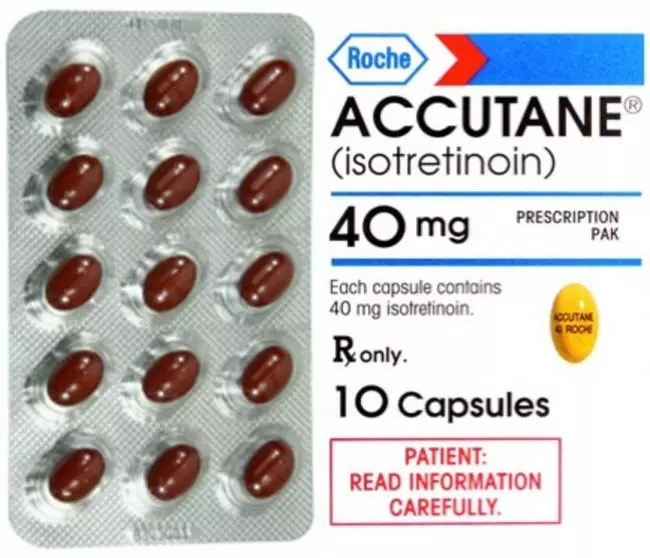
If your teenager has severe acne, your dermatologist may have recommended isotretinoin — often known by the brand name Accutane. It’s one of the most effective acne treatments available, but many parents have the same worry: Could this medication stunt my child’s growth?
A large new study published in JAMA Dermatology in 2026 offers real reassurance. Here’s what it found and what it means for your family.
Why parents worry that Accutane could stunt growth
Isotretinoin is a form of vitamin A. For years, its safety label has carried a warning about possible effects on growing bones, including concern that it could cause growth plates (the areas at the ends of bones where kids grow taller) to close too early. That warning was based mostly on old case reports — many involving very high doses used to treat cancer, not acne. Until recently, there wasn’t strong evidence about what happens to normal teenagers taking normal acne doses.
What the new study did
Researchers in Denmark studied a very large group of young men whose height was carefully measured around age 19, when growth is essentially complete. They compared:
- Teens who had taken isotretinoin for acne
- Teens who had taken antibiotics (like tetracycline) for acne
- Teens who had no acne treatment at all
This kind of large, real-world study is one of the best ways to answer a question like this.
What they found: reassuring news
Overall, isotretinoin did not make teens shorter as adults. In fact, young men who took isotretinoin ended up almost exactly the same height as everyone else — the difference was a tiny fraction of a centimeter, far too small to notice or matter.
A few other key points:
- The dose didn’t matter.Higher amounts of isotretinoin were not linked to being shorter.
- Antibiotic-treated teens were the same height too, which suggests the acne treatment itself isn’t the issue.
- A second, separate U.S. study reached the same conclusion— teens treated for acne reached a normal final adult height. That study noticed growth slowed slightly during treatment, but kids caught up, and their final height was normal.
What about younger kids?
The study did look closely at boys who started isotretinoin at very young ages. Those who began treatment at 13 or younger were, on average, slightly shorter — by less than 2 centimeters (under an inch). Even so, the researchers judged this difference too small to be clinically meaningful, and it may partly reflect other differences in kids who develop severe acne very early rather than the medication itself.
For boys who started at 14 or 15, there was no meaningful reduction in height at all.
The bottom line
For teenagers taking standard doses of isotretinoin for acne, the evidence now strongly suggests the medication does not reduce final adult height in any way that matters. This should be reassuring for families weighing this highly effective treatment for stubborn, scarring acne.
As always, the decision to start isotretinoin should be made together with your dermatologist, who can weigh your child’s individual situation, monitor treatment, and answer your specific questions.
This post is for general educational purposes and is not a substitute for medical advice. Please talk with your own doctor about what’s right for your child.
Frequently asked questions
Does Accutane stunt growth permanently?
No. Young men who took isotretinoin ended up almost exactly the same height as everyone else — the difference was a tiny fraction of a centimeter, far too small to notice or matter.
Does a higher dose of Accutane affect growth more?
No. The dose didn’t matter — higher amounts of isotretinoin were not linked to being shorter.
Does Accutane close growth plates early?
For years, its safety label has carried a warning about possible effects on growing bones, including concern that it could cause growth plates to close too early. That warning was based mostly on old case reports — many involving very high doses used to treat cancer, not acne.
Will my teen's growth slow down during treatment?
A second, separate U.S. study reached the same conclusion — teens treated for acne reached a normal final adult height. That study noticed growth slowed slightly during treatment, but kids caught up, and their final height was normal.
At what age is it safe to start Accutane?
For boys who started at 14 or 15, there was no meaningful reduction in height at all. Boys who began treatment at 13 or younger were, on average, slightly shorter, though the researchers judged this difference too small to be clinically meaningful.