- Acne Scarring
Subcision®
Subcutaneous incisionless surgery for tethered scars.
A minor surgical procedure that releases the fibrous bands tethering rolling and boxcar acne scars, letting the skin lift to a smoother, more even contour.
What is Subcision®?
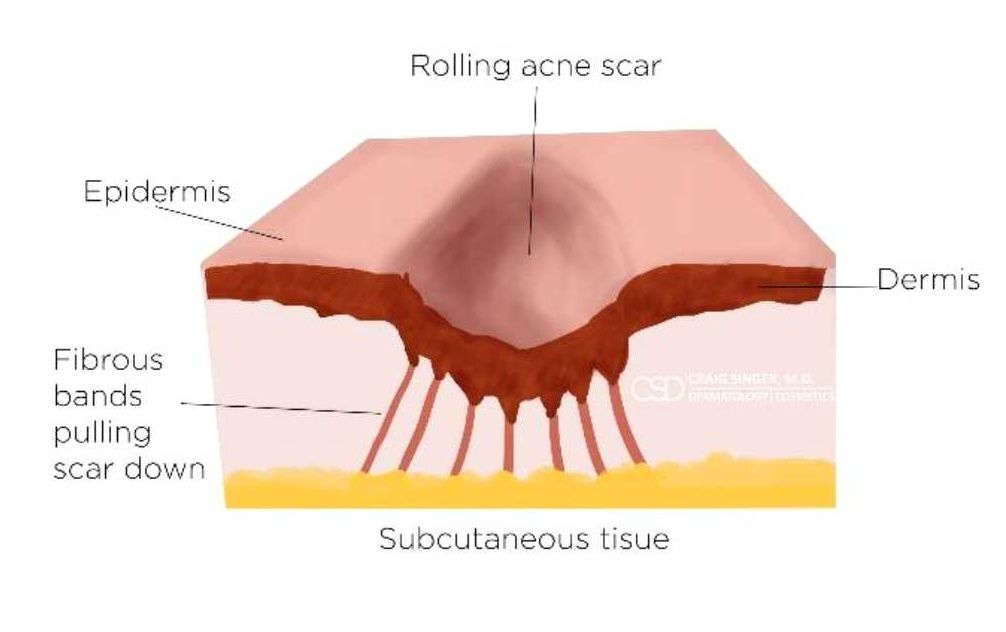
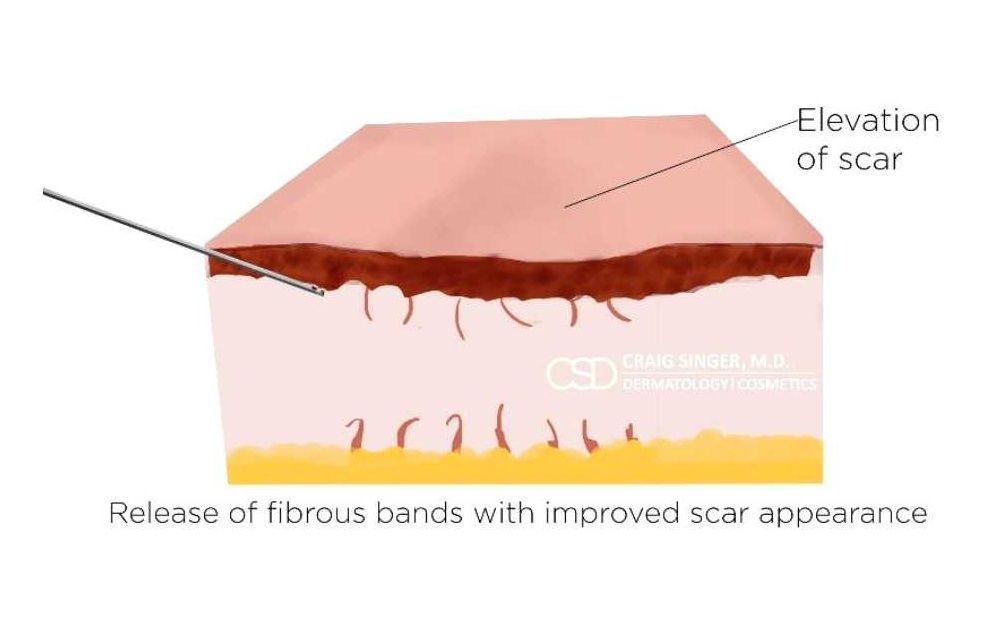
Subcision® is a minor surgical procedure for improving the appearance of acne scars. It is also called subcutaneous incisionless surgery.
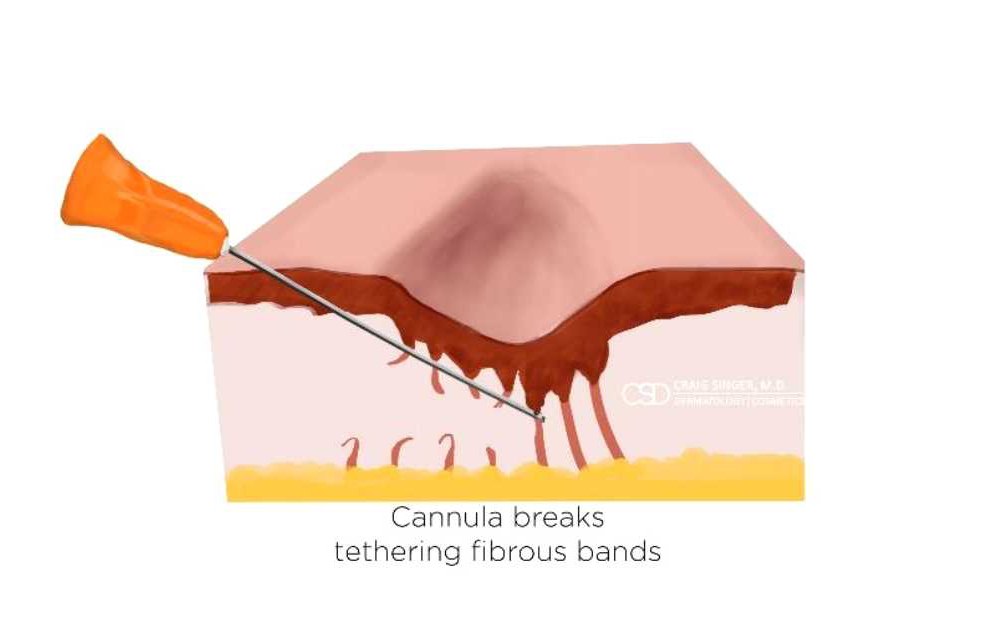
Certain acne scars, such as rolling or boxcar types, have tethering bands below the skin that pull the scar down and make it look depressed. Subcision breaks these tethering bands, leading to a more even skin contour. It can be safely performed in the outpatient setting and is usually well tolerated.
Subcision was originally described using a special hypodermic needle (Nokor Needle) inserted through a puncture in the skin surface. The sharp edge of the needle cuts the fibrotic bands that tether the scar to the underlying tissue. The advantage of the Nokor needle is the sharp blade at the tip, which easily dissects fibrotic bands, but the downside is that it requires multiple entry sites and carries a greater risk of hematoma formation and nerve injury. Sometimes a smaller gauge needle, such as a 25-gauge or 22-gauge, is used when scarring is localized and less severe.
A modified version uses a blunt-tipped cannula (18 or 22 gauge). Studies have shown this technique to be effective, with a reduced risk of hematoma formation and neurovascular injury, and a single entry point can treat the entire cheek and temple. Our clinic has never seen any long-term adverse effects with a blunt-tipped cannula. Multiple sessions are typically required with a cannula since it pokes holes in the fibrotic bands rather than severing them.
A third instrument, the Taylor Liberator® (invented by Dr. Mark Taylor), is a steel instrument similar to a cannula but with one key difference: the tip is notched to snare and divide the scar bands much more effectively. As with a Nokor needle, there is a greater risk of bruising, hematoma formation, and prolonged numbness that can last weeks or even months, though all numbness eventually resolves. The Taylor Liberator reaches the cheeks, jawline, and temples from a single entry point, while the forehead requires a second entry point.
Subcision is performed with local anesthesia (lidocaine) and sometimes oral sedation. If a large area is involved, tumescent anesthesia is used. The procedure is painless once the anesthesia takes effect. The numbing involves injecting large amounts of dilute local anesthesia (saline, lidocaine, bicarbonate, and epinephrine) under the skin with a spinal needle. Your cheeks may look like a chipmunk for a couple of days, and swelling resolves in 2 to 3 days. An entry point made in the sideburn heals without a scar.
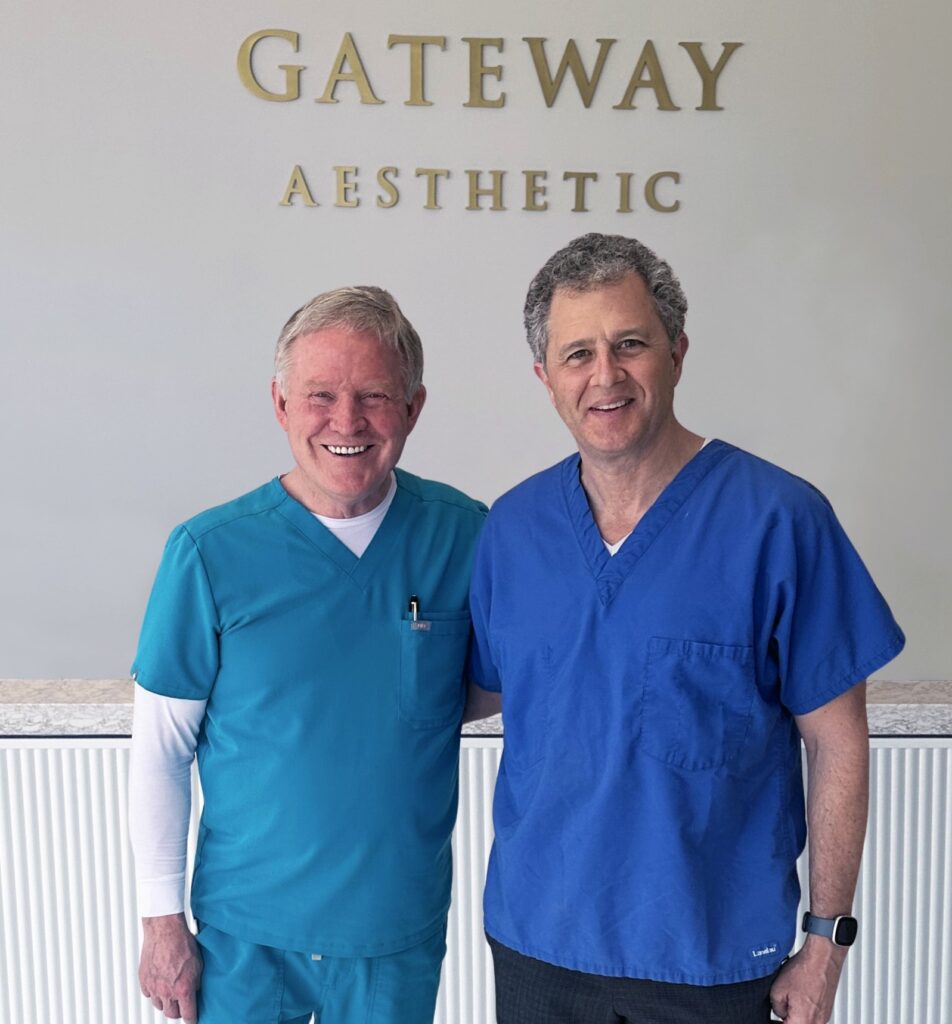
Dr. Craig Singer with Dr. Mark Taylor, inventor of the Taylor Liberator
What are the indications for Subcision®?
The decision to perform subcision depends on the type, location, and severity of scarring, along with patient preference.
Subcision is best used for rolling and boxcar acne scars and may also be used for other scars, such as those from chicken pox.
Subcision is safe and effective in skin of color.
How many treatments will I need?
This depends on the degree and type of scarring and the device used.
With a cannula, multiple sessions are necessary, perhaps 3 to 4, typically spaced 6 to 8 weeks apart.
With a Taylor Liberator, usually a single session is necessary, though occasionally a second is required if the scars are dense.
How is Subcision® performed?
1
Mark the area
The areas to be treated are circled in washable ink.
2
Numb the area
Local anesthetic is instilled just below the skin for comfort. Depending on the area, a large amount of dilute anesthetic (tumescent anesthesia) may be needed, which reduces bruising and helps highlight the scars.
3
Release the bands
An introducer puncture using a 16-gauge needle or number 11 blade is made in the sideburn, allowing smooth introduction of the cannula or liberator, which is passed back and forth until all bands are released.
Watch
Subcision across metro Detroit
- Bingham Farms
- Birmingham
- Bloomfield Hills
- West Bloomfield
- Royal Oak
- Berkley
- Troy
- Farmington
- Shelby Township
- Novi
- Detroit
- Metro Detroit
Frequently asked questions
How much downtime is there after Subcision®?
There are about 1 to 3 days of downtime after the procedure.
What should I expect after the procedure?
Swelling resolves within 72 hours.
Bruising and tenderness resolve in 7 to 14 days, and Tylenol is fine for pain relief.
Hematoma formation is rare. To minimize the risk, we wait 15 minutes after instilling dilute anesthetic to allow vasoconstriction, then inject additional numbing, and immediately after the procedure we apply direct pressure for 5 minutes. We ask that you apply ice afterward, 20 minutes on and off. Temporary discoloration is rare and may persist for a couple of months.
Numbness usually resolves in a few days with a cannula but may last several months with the Taylor Liberator.
What are the potential risks and complications of Subcision®?
Significant complications are uncommon. The following are possible but rare:
- Hematoma due to bleeding (a small hematoma is normal, and there is much less bruising with the cannula)
- Temporary swelling, or chipmunk cheeks, for several days
- Temporary pain or tenderness of treated sites
- Hypertrophic (thick) or keloid scars (rare)
- Infection requiring antibiotics (rare)
- Temporary numbness
- Temporary darkening of the skin, or hyperpigmentation (rare)
- Sub-optimal response or lack of improvement in scarring
- Worsening of scarring (rare)
- Injury to a nerve or blood vessel (rare)
Does the Taylor Liberator produce facial sagging?
The Taylor Liberator has become a topic of discussion in public forums such as Reddit, where some have reported sagging of the skin after subcision with it. Dr. Craig Singer trained with Dr. Taylor and learned the proper technique. When performed in the correct plane, the Taylor Liberator will not disrupt deep facial ligaments or cause sagging. It is critical, however, that tumescent anesthesia be used to create a safe plane of dissection.
Is there an alternative to subcision?
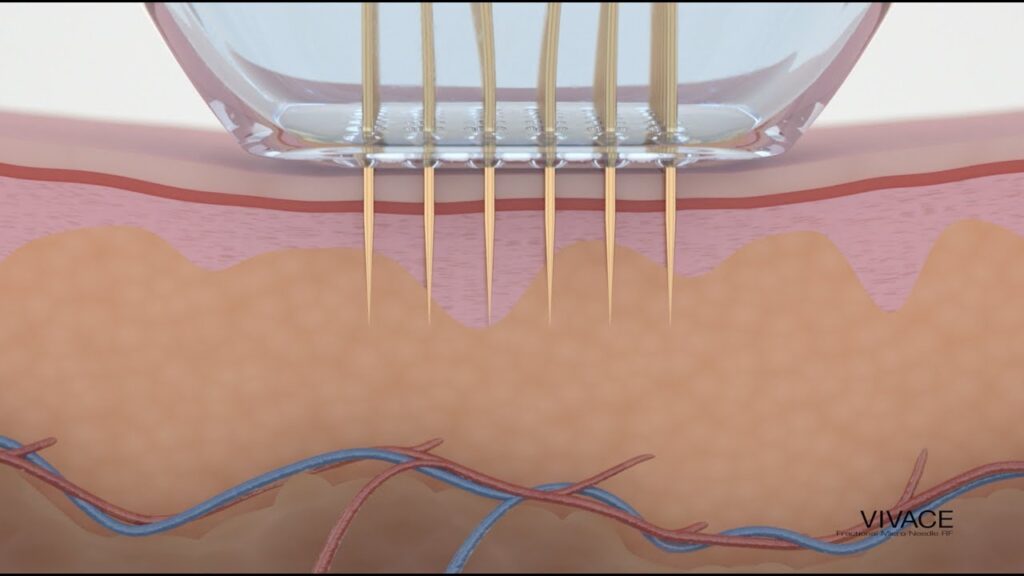
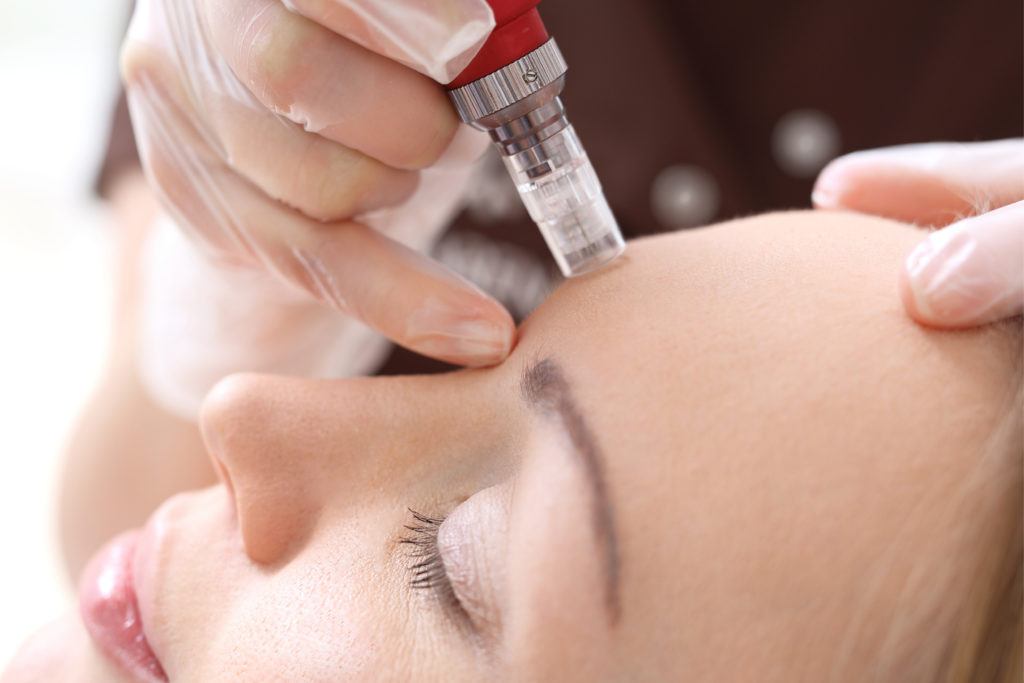
If an acne scar is tethered and bound down, creating a saucer-like depression, the tethering band must be released with subcision. Both laser and microneedling are ineffective as stand-alone treatments for tethered scarring.
Schedule an acne consultation

Patient testimonials

4.9
Based on Google reviews
HOUR Detroit Top Doc
Recognized dermatologist

- HOUR Detroit Magazine's Top Docs
About Craig Singer MD Dermatology
Located in Bingham Farms, Acne Center Of Michigan was founded by Dr. Craig Singer, a board-certified dermatologist.
We specialize in the treatment of acne and acne scarring, offering numerous therapeutic options tailored to each patient’s needs.
Dr. Singer experienced significant acne when he was in college and has personal experience with his teenage children’s acne as well. He has helped thousands of patients look their best.
Acne Center of Michigan offers the most advanced acne treatments, drawing from both traditional and alternative approaches. Dermatologists across the region refer their most complex acne-scar cases to Dr. Singer, and patients travel from across Michigan, neighboring states, and Canada for his care.

Board-Certified
Dermatologist
Thousands of patients
Helped look their best